Burnout vs Stress: Coping Tips for Recovery
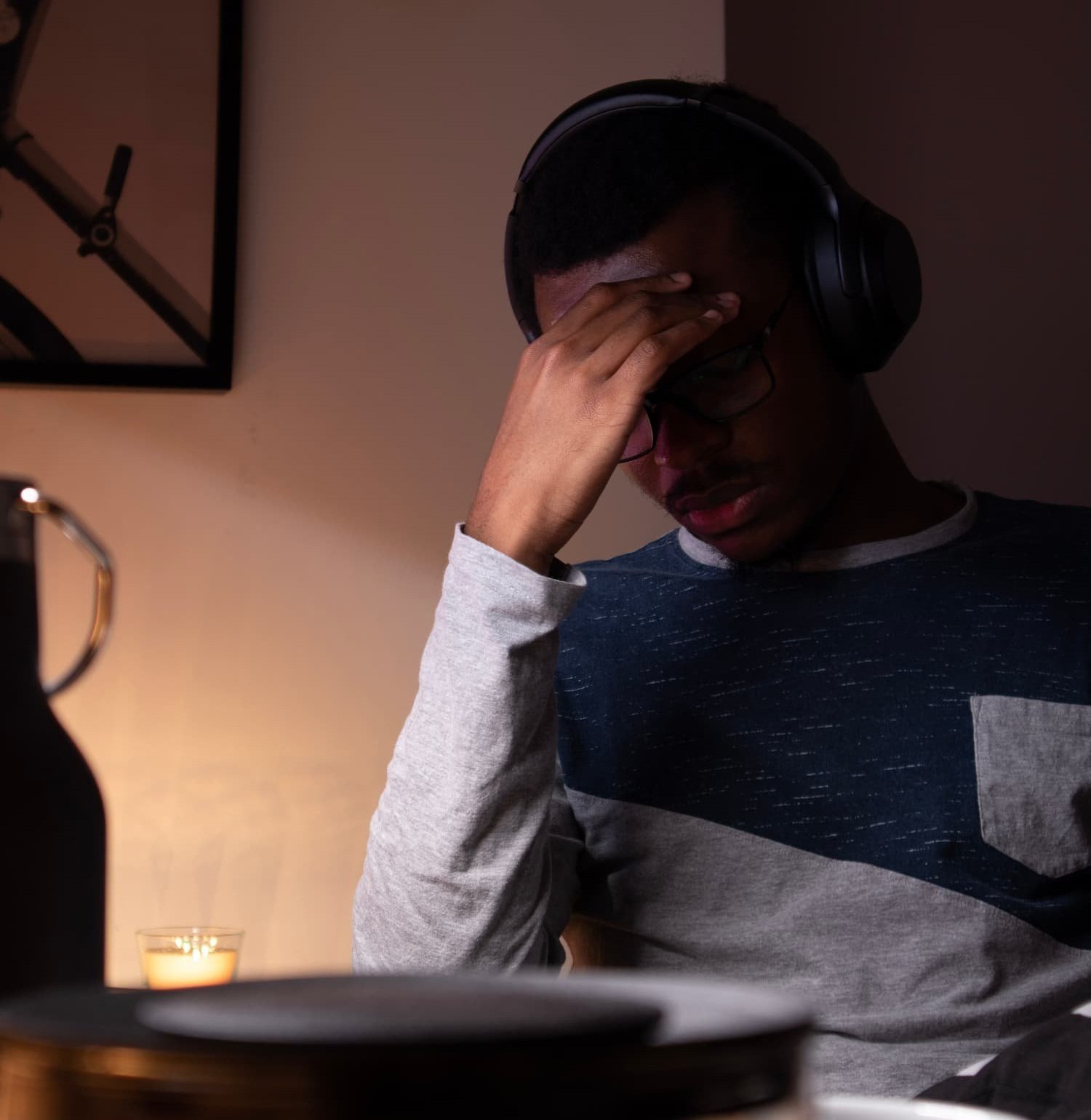
As a LCSW in California, Colorado, and Texas, I've experienced burnout firsthand and I've watched countless colleagues struggle with it too. Over the past few years, especially during the COVID-19 pandemic, burnout among therapists, social workers, and healthcare professionals has reached crisis levels.
After reflecting on my own experience, I thought about the many trainings I took on therapist burnout and how none of them prepared me for the real thing. Hindsight is 20/20 😢. As a psychologist once told our training cohort: “Others around you might notice it before you do." This highlights two things: 1) Burnout is subtle, gradual, and often invisible to the person experiencing it and 2) It underscores the importance of community and checking in with trusted colleagues for feedback.
After recovering from my own burnout, I wanted to share what I've learned both professionally and personally about the difference between stress and burnout, and most importantly, how to recover.
Understanding Burnout: Definition and Causes
Google defines workplace burnout as: “physical or mental collapse caused by overwork or stress.” The term was first coined by the psychologist Herbert Freudenberger in the 1970s when he was studying stress in helping professions. Social psychologist Christina Maslach and colleagues have since contributed to the research by studying burnout in various professions such as IT, business, and sports, among others. In the 1980s, Maslach and Jackson defined burnout as: “a syndrome of emotional exhaustion, depersonalization, and reduced personal accomplishment.”
Burnout is characterized by feeling emotionally drained, having difficulty coping, experiencing cynicism about the workplace and/or colleagues, and reduced performance at work and/or home. Burnout is not a diagnosis though research shows that it may increase the risk of depression or anxiety. Some possible causes of burnout may include unclear or high expectations, heavy workload, unhealthy or abusive work dynamics, and a lack of support.
As a social worker, I'm particularly attuned to Maslach's framework because it captures what I see in my profession daily: emotional exhaustion from holding space for others' pain, depersonalization when we start viewing clients as cases rather than people, and reduced accomplishment when systemic barriers prevent us from truly helping. But burnout isn't limited to helping professions, it affects anyone facing prolonged stress without adequate support or resources.
Signs and Symptoms of Burnout
Feeling demoralized
Experiencing self-doubt
Frequent muscle pain or headaches
Low motivation
Changes in appetite or sleep
Trouble concentrating and foggy thinking
Isolating from others
Taking out anger/frustrations on others
Increased relationship conflicts
Feeling your efforts are undervalued
Misusing substances
Feeling like you’re on autopilot
Dreading work
Neglecting your needs
What Is Stress? Understanding Short-Term vs Chronic Stress
Google defines stress as “a state of mental or emotional strain or tension resulting from adverse or very demanding circumstances.” Stress is common and a normal human reaction to a challenge or a stressor that may occur in daily life such as traffic, conflict with a loved one, presentation at work, and organizing events. Stress is not always a “bad thing.” For example, if you’re feeling stressed about a school project, it may encourage you to prepare for said project thus help you meet your goals. I won’t go into here, but chronic stress is different, and research shows chronic stress may harm your health over time.
Burnout vs Stress: Key Differences
A lot of the signs of short-term stress are similar to burnout signs such as feeling tired, easily frustrated, muscle tension, worry, stomach issues, etc., which makes sense as the research explains burnout as prolonged stress. A HuffPost article interviewed mental health professionals, helping with distinguishing burnout from stress. While stress is “characterized by over-engagement,” burnout is “characterized by disengagement.” While stress is marked by emotions that are overreactive, burnout is set apart by emotions that are blunted. While stress is distinguished as “loss of energy,” burnout is characterized by “loss of motivation, ideals, and hope.”
How to Recover from Burnout: Coping Tips
Like most things, it’s not a clear-cut response. It’s a trial and error process. As we know, healing is nonlinear. It’s also important to acknowledge that systemic issues such as low wages, misogyny and racism, contribute to burnout. Burnout prevention or recovery is not a one-size fits all, what works for one person may not work for another. Please be mindful of your own experiences, receive what resonates, and release the rest.
Admit it to yourself and those you trust. I always say the first step to making any change is having awareness of and naming the problem.
Create a recovery plan (a therapist can help with this). This plan may include taking PTO or having a conversation with your doctor about taking medical leave. If your life circumstances allow, this plan potentially could include exploring other opportunities and finding a new job altogether.
Prioritize and honor your needs. Is there an area of your life you’ve been neglecting? It may be time to prioritize rest, health, body movement, relaxation activities, and reconnecting with others in order to reconnect back with your true self. Not the self that your supervisors and other demanding figures want you to be but your most authentic self (only you know this).
Assess your boundaries. What’s taking away energy and what areas of your life need to be replenished? Is work taking too much energy and you’d like to spend more of your energy on your relationships or on exercising? This will mean setting boundaries at work and you may begin by saying “no” more often, asking for a reduction in workload, or decreasing your work hours.
Acknowledge and honor your feelings. How are you feeling? I like to call my feelings “visitors” or “guests” based on The Guest House poem by Rumi. Feelings are our guide. They are showing up for a reason, sometimes they knock and sometimes they barge in demanding attention. Your feelings may need something, for example anger or resentment may show up when you haven’t been setting boundaries and they recognize how depleted you’ve felt because of it. Sometimes your feelings may need you to simply sit with them rather “doing.” What can be done to honor these guests?
Seek help from those you deem safe like friends, family, mentors, supervisors, doctors, therapists, etc. You don’t have to do this alone. People are not mind readers, ask for what you need, and avoid assuming others will know this without stating your clear needs and expectations. As the late cultural critic and social justice advocate bell hooks wrote, “Rarely, if ever, are any of us healed in isolation. Healing is an act of communion.”
Learn from this experience. Once you find yourself with more energy and the mental capacity to reflect on your experience, learn from it. Identify what was missed and by doing so, you may learn more about your own signs of burnout. One of my major lessons was understanding that I cannot work for a system whose values and ethics do not align with my own. The idea is you’ll be better equipped to manage stress and if you experience burnout again that you’ll be able to identify the signs sooner, understand your needs better, and act on it faster.
When to Seek Professional Help for Burnout
Burnout recovery often requires more than self-help strategies, especially when it's severe or longstanding. Consider seeking support from mental health professionals if you're experiencing:
Persistent symptoms despite trying recovery strategies
Depression or anxiety that developed alongside burnout
Substance use as a coping mechanism
Suicidal thoughts or feelings of hopelessness
Inability to function at work or in relationships
As a LCSW serving adults in California, Colorado, and Texas, I help clients navigate burnout, workplace stress, and career transitions. Therapy provides a space to process your experience, identify underlying patterns, and develop a personalized recovery plan that addresses both immediate symptoms and systemic issues.
If you're struggling with burnout and need support, I'm here to help. Email me at noemi@stillnesstherapy.net to schedule a complimentary 20-minute consultation.
A Personal Note on Burnout Recovery
I have to be frank. Sometimes the most effective burnout recovery strategy, if your circumstances allow, is quitting the job, relationship, or situation that's causing it. That's what I did. After experiencing severe burnout in community mental health, I made the difficult decision to quit and start my own private practice. It wasn't an easy choice, and I recognize it's a privilege not everyone has access to, but it was the right one for me. I created self-care plans with a trusted colleague, I processed my experiences with my therapist, but nothing was as helpful as leaving.
Working in community mental health taught me invaluable lessons about the toll of trying to provide quality care within a broken system. I was working in an environment whose values didn’t align with the care I wanted to provide, and so I realize now that I was experiencing a spiritual crisis that was creating a misalignment. The depression and anxiety I felt, spirit and body, was screaming to get out of there. Leaving allowed me to create a practice grounded in my values, ethics, at a pace that honors my well-being, and in service to the communities I feel most aligned in supporting.
If you're feeling stuck in work that's depleting you, know that change is possible. It might not look like opening a private practice. It might mean transitioning to a different role, setting firmer boundaries, reducing hours, or finding work that better aligns with your values. Whatever it looks like for you, I hope this guide will help you reflect on working toward something more sustainable. You deserve to be well. Until next time.
-
This article is informed by current research on burnout and stress:
Borresen, Kelsey. “The Difference Between Stress and Burnout (And How To Tell Which You Have).” HuffPost, 2020, www.huffpost.com/entry/difference-between-stress-burnout_l_5f6b8cb2c5b6189caefb34c7. Accessed 7 December 2021.“
“Depression: What is burnout?” NCIB, www.ncbi.nlm.nih.gov/books/NBK279286/. Accessed 12 December 2021.
“5 Things You Should Know About Stress.” National Institute of Mental Health, www.nimh.nih.gov/health/publications/stress. Accessed 14 December 2021.
Gabriel, Kelly P, and Herman Anguinis. “How to prevent and combat employee burnout and create healthier workplaces during crises and beyond.” Elsevier, doi.org/10.1016/j.bushor.2021.02.037. Accessed 14 December 2021.
Job burnout: How to spot it and take action.” MayoClinic, www.mayoclinic.org/healthy-lifestyle/adult-health/in-depth/burnout/art-20046642. Accessed 7 December 2021.
Lubbadeh, Tareq. “Job Burnout: A General Literature Review.” IRMM, doi.org/10.32479/irmm.9398. Accessed 14 December 2021.
Maslach, Christina, Leiter, Michael P. “Understanding the burnout experience: recent research and its implications for psychiatry.” Wiley Online Library, vol. 15, issue 2, 2016, doi.org/10.1002/wps.20311. Accessed 14 December 2021.
Salvagioni, Denise Albieri Jodas, et al. “Physical, psychological and occupational consequences of job burnout: A systematic review of prospective studies.” Plos One, doi.org/10.1371/journal.pone.0185781. Accessed 14 December 2021.
“Stress.” Cleveland Clinic, my.clevelandclinic.org/health/articles/11874-stress. Accessed 14 December 2021.
Smith, Melinda, Segal, Jeanne, and Lawrence Robinson. “Burnout Prevention and Treatment.” HelpGuide, www.helpguide.org/articles/stress/burnout-prevention-and-recovery.htm. Accessed 7 December 2021.