Demystifying LGBT+ Affirming Therapy: A Guide for the Queer Community
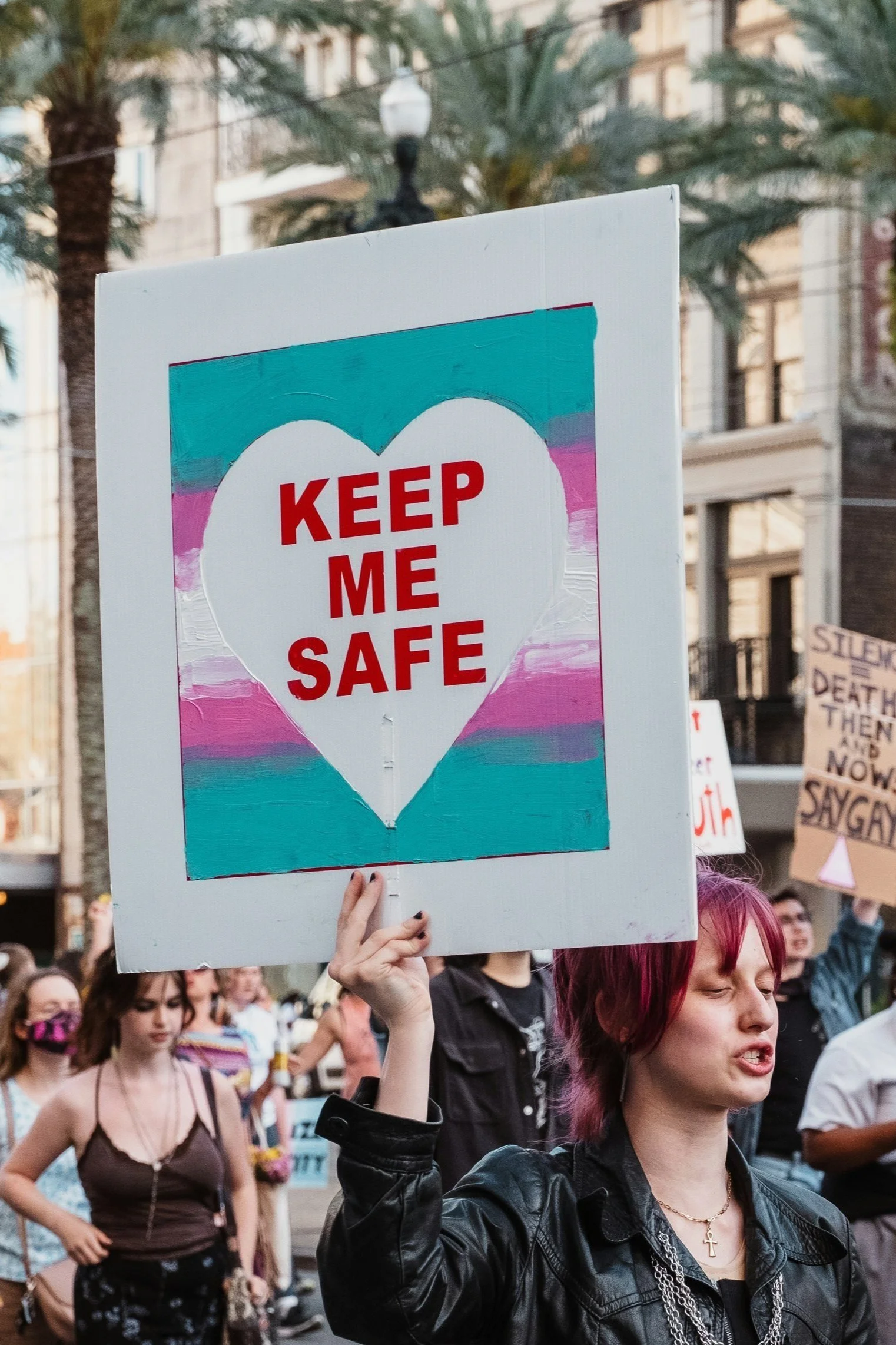
Photo by Aiden Craver on Unsplash
What is LGBT+ Queer Affirming Therapy?
As a queer non-binary Licensed Clinical Social Worker practicing in California, Colorado, and Texas, I specialize in providing LGBTQ+ affirming therapy that goes beyond basic acceptance to celebrate every aspect of who you are.
At the heart of my practice lies a deep belief in the beauty of queer and trans joy. Being a queer affirming therapist means that I see queerness as deserving acknowledgment, validation, and an abundance of love. Queerness is a radical act thus queer affirming therapy must be more than just acceptance. This part of you deserves to be seen, understood, and celebrated by your therapist.
Queer affirming therapy provides a supportive space where every aspect of your identity is honored and your unique experiences are validated.
My Approach to LGBT+ Affirming Therapy
At Stillness Therapy, my mission is to ensure that my lesbian, gay, bisexual, transgender, non-binary, and queer clients seeking LGBT+ affirming therapy, feel safe exploring all aspects of their identity and any discriminatory experiences that have impacted their mental health. Historically, therapy has been viewed as a neutral (and predominantly white male) space. I don’t believe therapy to be an apolitical practice. This doesn’t mean I impose my beliefs on you; it means I aim to give room for minoritized people to explore the harm systems of oppression have caused them. Queer people just want to feel seen and heard; most importantly, they want to know it’s safe to be who they are.
Having worked with mainly minoritized communities throughout my career (and also belonging to several oppressed identities myself), I have witnessed and experienced the undeniable impact oppressive systems have had on women, immigrants, Black people, people of color, and yes, queer and trans people. It is important to name these oppressive systems and provide a space for my clients to process the impact of homophobia, transphobia, and heterosexism (along with racism, sexism, classism, ableism, xenophobia, and capitalism–all the isms!).
What Makes Therapy Truly Queer Affirming
To function as a queer affirming therapist requires humility and acceptance of being a life-long student. I continue to participate in training, seek knowledge, and engage in self-exploration and evaluation to address power imbalances and biases in queer and transgender therapy.
A queer affirming approach means understanding and acknowledging the harmful impact cis-heteronormativity has on transgender and queer people. The personal is political, so we’ll examine your identity within a larger societal context and how the homophobic and transphobic patriarchy has impacted your life. This approach means:
Acknowledging the oppressive systems at play.
Understanding how these systems impact people’s mental health, identities, and opportunities.
Navigating, or lamenting these systems, because that’s valid too!
Practicing from a queer affirming framework means recognizing homophobia and transphobia as current problems and seeking out questions that make me uncomfortable while understanding my privilege and biases, even as a queer non-binary identifying person. I educate myself on queerness and aim to educate others on how homophobia and transphobia harm our communities. Most importantly, I won’t presume to know it all and lean into having uncomfortable conversations. This is an ever-evolving practice.
Gender Identity and Sexual Orientation: Moving Beyond Assumptions
In our white cis-heteronormative patriarchal world, we make many assumptions about others. One common frustration I hear from queer clients is how they are perceived by the world. Regardless of how they identify (gay, trans, non-binary, etc.) or look, people often make assumptions about them. This is both upsetting and frustrating. When we begin to dismantle patriarchal notions about queerness, we start to learn that identity and sexual orientation are fluid for many people regardless of what they look like. Best practice is to ask people about their identity. It’s interesting how often we don’t do this. In my entire life, I’ve had maybe two or three people ask me directly. That’s kind of sad! I understand why people don’t (shame, anxiety, discomfort), but when we succumb to these things, we forgo such an important part of intimacy and relationship building.
How I Ensure My Practice Is LGBTQ+ Affirming
I recently took an inspiring training put on by Violet and led by Casey Tanner, where they discussed queer sex as a radical act, queer sex as a form of feminism, and the barriers queer people face when engaging with healthcare professionals (i.e., doctors, psychiatrists, therapists). This training inspired today’s blog.
My action plan in ensuring I am a practicing queer affirming therapist, beyond just calling myself one, includes taking continuing education courses and training through different organizations to be mindful of any bias and internalized stigma. Even as a queer non-binary therapist, I have my biases. The reality is, we all do. By taking courses, training, reading, and doing my own self-exploration, I practice awareness of those biases and work towards dismantling them.
Tanner highlighted the importance of this by discussing how queer people often face stigma, erasure, and barriers when engaging in healthcare settings. I’ve personally heard from my queer clients how they’ve been harmed by healthcare professionals, and I want my clients to feel seen and cared for by me.
When to Seek LGBTQ+ Affirming Therapy
Finding the right LGBT therapist is crucial for your mental health journey, especially when your identity has been shamed or invalidated. Consider seeking LGBTQ+ affirming therapy if you're experiencing:
Identity confusion around gender or sexual orientation
Discrimination related to homophobia or transphobia
Relationship challenges unique to queer partnerships, origin family, or chosen family
Lack of understanding from previous therapists or healthcare providers
As a queer non-binary LCSW serving LGBTQ+ clients across California, Colorado, and Texas, I create a space where your full identity is acknowledged and celebrated. Whether you're navigating coming out, processing trauma from discrimination, exploring gender identity, or simply seeking support from someone who truly understands, I'm here.
If you're searching for a LGBTQ+ affirming therapist, email me at: noemi@stillnesstherapy.net to schedule a complimentary 20-minute introductory call.
Finding the Right Fit: Consultation Calls with LGBTQ+ Therapists
If you are queer identifying and you are currently searching for an LGBT therapist, request a free introductory and consultation call. Use this opportunity to ask about their approach and how they ensure their practice aligns with your needs as a queer person. It’s important to know what to expect and whether it feels like a good fit for you.
In my practice, I discuss my approach during introductory calls, regardless of whether questions are asked. I believe this transparency helps clients understand who they’re agreeing to work with. During intake appointments, I intentionally explore all aspects of your identity, beyond gender identity and sexual orientation, include roles like undocumented, a feminist, a parent, or a hopeful romantic). Does this mean that sessions have to revolve around your queerness (or any other part of your identity)? Absolutely not. Just know that it can. In my virtual therapy room, there will always be room for all parts of you.
For any LGBT+ / queer people out there, if you feel comfortable, and would like to share your experience, what has it been like when you’ve searched for a queer affirming therapist? What have you found helpful or unhelpful? Any tips or advice you can provide your fellow community?
Thank you for reading! See you back here soon 😊