Featured in the LA Times: Inner Child Healing for Latinx Communities

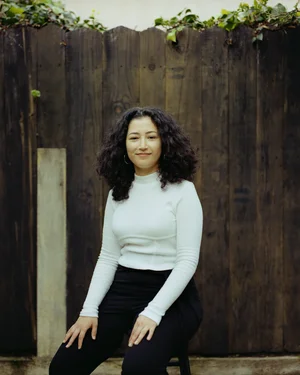
I'm Noemí, a Latinx Licensed Clinical Social Worker practicing in California, Colorado, and Texas. In April 2023, I was honored to contribute to an LA Times article by Karen Garcia on inner child healing in Latinx communities, which is part of the series "Familia, let’s talk about nuestra salud mental."
The article centered on Vianney Harelly's inner child healing journey, and Karen asked me to provide clinical context on what this work looks like for many Latinx folks. I’m grateful to Karen for creating space for these conversations in mainstream media, our communities need more visibility around mental health and healing. Though we are all unique, there are so many threads that tie us together. One of those threads is our desire to feel loved, safe, and seen.
I linked the full article below, but first I want to highlight some points here.
What Is Inner Child Work?
Inner child work is a therapeutic approach that helps us connect with and heal the parts of ourselves that experienced hurt, neglect, or trauma in childhood. For many of us in Latinx communities, this work intersects with cultural dynamics like:
Familismo and loyalty: The pressure to protect family at all costs, even when it means silencing our pain
Generational trauma: Carrying wounds passed down from parents and grandparents who survived their own hardships
"Así es la vida" mentality: Being taught to accept suffering rather than question or heal from it
Immigration trauma: The losses, fears, and instability that shape childhood for immigrant families
My Clinical Perspective
As a therapist working with Latinx clients navigating inner child work, I see how deeply cultural context shapes this healing. It's not just about individual trauma it's about understanding how colonization, migration, poverty, and systemic oppression have shaped our families' capacity to nurture.
Inner child healing in our communities requires:
Honoring our ancestors while not repeating their patterns
Finding ways to love our families while acknowledging harm
Creating safety within ourselves that we may not have had as children
What I Shared with LA Times
In the article, I discussed how childhood experiences shape adulthood:
"Challenging childhood experiences will influence a person's emotional, behavioral, social and physical health later in life; for example, these experiences may have an effect on a person's sense of safety and trust. They could affect a person's ability to develop and maintain relationships. They can also make people question their abilities, self-worth and lovability. We might feel anxious, guarded or hyper-independent."
I also spoke about the unique challenges for Latinx communities:
"It can be more challenging for Latinos because there's a focus on collectivist culture, which puts the community ahead of the individual. It may be a struggle for some Latinos to prioritize themselves, set boundaries with others and admit that their inner child needs better parenting without feeling guilty about it. It's hard to acknowledge that our parents or caregivers may have harmed us, for fear of being perceived as malagradecidos. However, by doing the very things that are difficult and uncomfortable, we can begin to break and heal generational trauma."
Read the Full LA Times Article
Without further ado, read the article: For Dia del Niño, how Latinos can start healing their inner child
Thank you for reading!
Working with Inner Child Wounds
If you're a Latinx person seeking to navigate inner child work and looking for a culturally informed therapist, I'm here. As a queer, Latinx, LCSW, I understand the complexities of healing within our cultural context, the guilt, the loyalty, the fear of dishonoring family, and the courage it takes to choose yourself.
I provide virtual therapy for adults in California, Colorado, and Texas, and my practice centers on healing generational trauma, navigating identity, and creating space for all parts of you. My offerings also include immigration psychological evaluations.
Email me at noemi@stillnesstherapy.net to schedule a complimentary 20-minute consultation.